Jamaican Food 101: Essential Dishes to Know
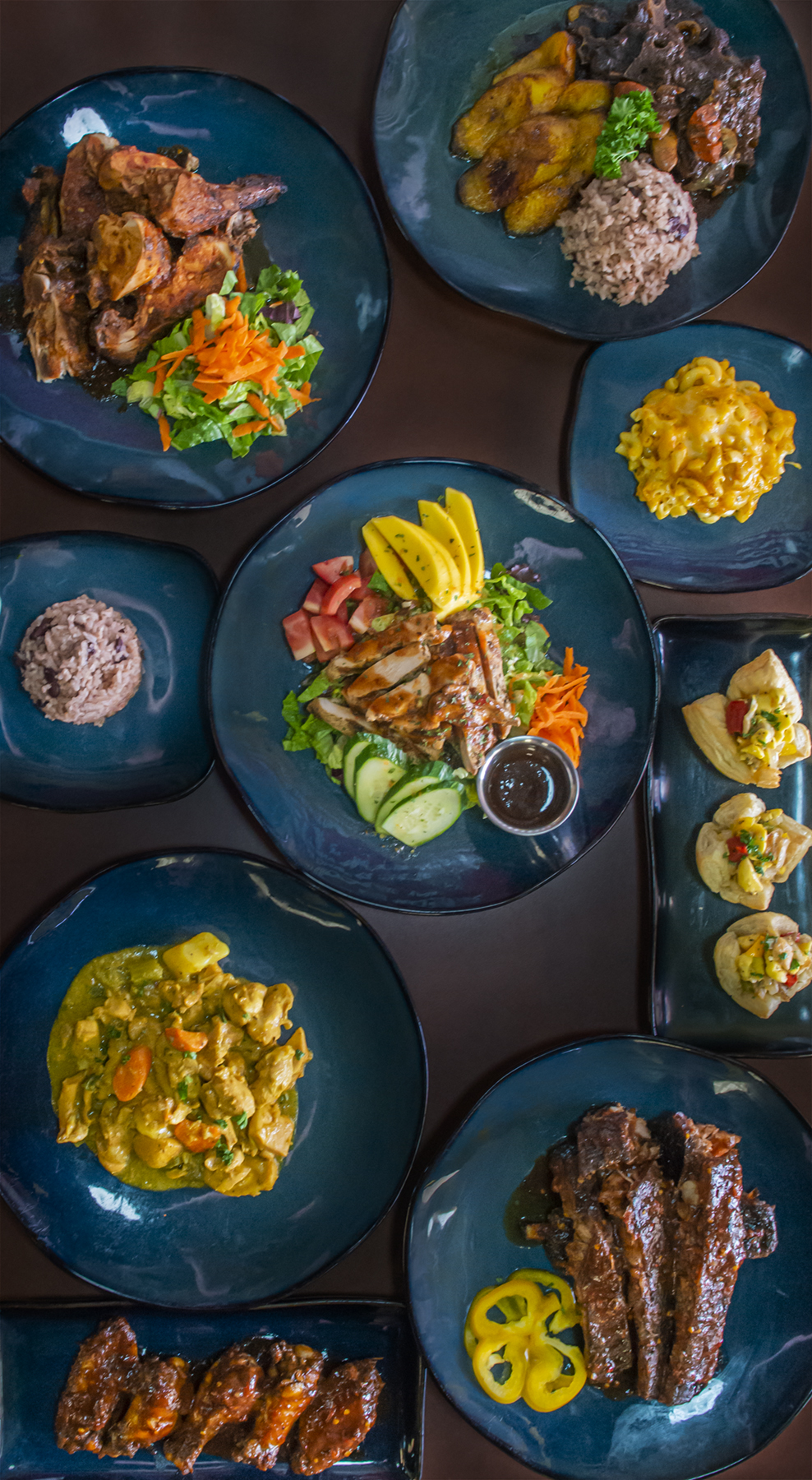
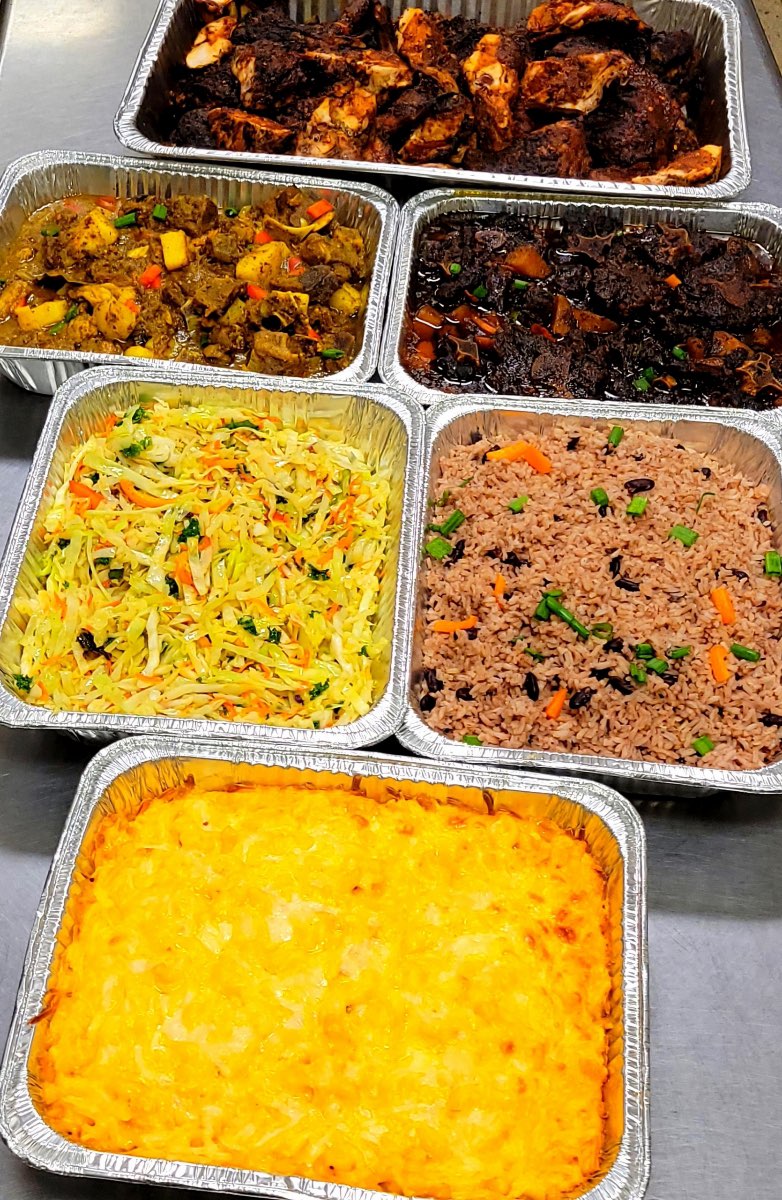

Jamaican food has a way of announcing itself before it reaches the table. You smell smoke from a jerk pan half a block away. You catch the sweetness of frying ripe plantain, the warm spice of curry, the deep savor of stewed oxtail, the sea-bright aroma of escovitch fish. Few cuisines carry that kind of personality in every bite. It is bold, layered, and deeply rooted in history.
If you are new to Jamaican food, the variety can feel bigger than expected. Many people arrive knowing jerk chicken and little else. Then they meet ackee and saltfish at breakfast, curried goat at lunch, patties for a quick snack, and a bowl of pepper pot soup that tastes like it has been simmering all day, because often it has. The cuisine rewards curiosity. It also asks for a little context, because these dishes are not random specialties gathered under one flag. They reflect the island’s agricultural landscape, colonial history, African heritage, Indian influence, Chinese and Middle Eastern migration, and the practical genius that comes from making full use of what is available.
At its best, Jamaican food balances fire, sweetness, acid, starch, and spice with remarkable confidence. Scotch bonnet peppers bring heat, but also fruitiness. Allspice, often called pimento in Jamaica, gives jerk its unmistakable depth. Thyme, scallion, ginger, garlic, and onions show up so often they start to feel like a rhythm section. Rice and peas, festival, bammy, boiled green bananas, and fried dumplings play important supporting roles. The result is a cuisine where side dishes are rarely side notes.
This guide covers the essential dishes worth knowing, not as a checklist for tourists, but as a practical map for understanding how Jamaican food actually tastes, how meals are put together, and why certain plates matter so much.
The flavor backbone of Jamaican cooking
Before getting into specific dishes, it helps to understand a few ingredients and habits that appear again and again. Jamaican cooking is highly seasoned, but good versions are not chaotic. The seasoning is deliberate. A strong cook knows how to let one dominant idea lead while the others support.
Scotch bonnet pepper is probably the most famous ingredient, and with good reason. It is hot, often very hot, but it is not heat for heat’s sake. It has a floral, fruity quality that gives jerk, escovitch sauce, and pepper sauces their brightness. If you have only experienced blunt heat from generic hot sauce, a fresh scotch bonnet can be a revelation.
Allspice is another pillar. Despite the name, it is a single spice, the dried berry of the pimento tree. It tastes like clove, cinnamon, nutmeg, and pepper rolled into one. In jerk cooking, especially, allspice is nonnegotiable. Without it, the dish can still be tasty, but it loses its Jamaican identity.
Thyme, scallion, onion, garlic, and ginger shape the aromatic base of many stews and curries. Coconut milk appears often, especially in rice and peas. Browning, a dark caramelized sugar sauce sold in bottles, gives color and depth to many brown stews. Saltfish, salted cod that is soaked and cooked, connects Jamaican food to older trade routes and preservation methods. Ground provisions, a Caribbean term for starchy staples like yam, green banana, and cassava, turn many meals into something substantial enough to carry a day’s work.
If you want a quick mental picture of a Jamaican kitchen, think of heat, herbs, smoke, starch, and a serious respect for seasoning.
Jerk, the dish people know, and the one they often misunderstand
Jerk is usually the entry point into Jamaican food, but it is also one of the most misunderstood. Outside Jamaica, the word gets applied loosely to almost anything with spice rub and grill marks. Proper jerk is more specific. It is a method as much as a flavor profile. Traditionally, meat is seasoned with a mixture that includes allspice, scotch bonnet, thyme, scallion, ginger, garlic, and often cinnamon or nutmeg, then smoked slowly, historically over pimento wood.
The classic versions are jerk chicken and jerk pork. Chicken is more common in many restaurants because it is accessible and relatively affordable. Pork, when done well, can be even more compelling. It holds smoke beautifully, and the fat carries the spice in a way chicken cannot quite match. A good jerk pork should have bark, tenderness, and a deep aromatic profile that lingers after the heat fades.
One thing people often miss is that jerk should not taste like raw aggression. It should be hot, yes, but also fragrant, savory, and slightly sweet from the spices and smoke. If the only sensation is pain, the balance is off. The best jerk I have had came wrapped in foil from a roadside stand, with smoke still clinging to the meat and a little pool of spicy juice collecting at the bottom. It was served with festival and a piece of roasted breadfruit. That combination, spicy meat with soft-sweet fried dough and starchy breadfruit, explains Jamaican food better than a dozen menu descriptions.
Ackee and saltfish, the national dish with a surprising personality
Ackee and saltfish is Jamaica’s national dish, and for first-time eaters it can be a surprise. Ackee, a fruit originally from West Africa, cooks into soft yellow curds that look a little like scrambled eggs. On its own, ackee is mild and delicate, almost buttery in texture. Saltfish brings salinity and structure, while onion, tomato, scallion, thyme, and pepper round out the dish.
The result is subtle by Jamaican standards. It is not as fiery or aggressive as jerk. It is savory, rich, and deeply satisfying, especially when eaten with fried dumplings, boiled green banana, roast breadfruit, or bammy. Good ackee and saltfish is not overcooked or overly wet. The ackee should hold some shape, and the saltfish should be distributed so each bite gets a little contrast.
A useful note for anyone trying it for the first time: this is a breakfast classic, but it is substantial enough to eat at any hour. If you see it on a weekend brunch menu, order it. If it comes with several starches, even better. Jamaican breakfasts are built to sustain real effort, not just to bridge the gap until lunch.
Rice and peas, more important than the name suggests
Rice and peas appears beside countless main dishes, and it deserves more respect than many diners give it. First, the “peas” are often kidney beans or gungo peas, not green peas. Second, when it is cooked properly, it is far from plain filler. Coconut milk, thyme, scallion, garlic, and sometimes scotch bonnet perfume the rice as it cooks. Each grain should come out separate but infused with flavor.
This matters because Jamaican meals are often structured around contrast. Rich oxtail needs something absorbent and fragrant. Curry goat needs starch that can catch the sauce. Fried fish needs a steady companion. Rice and peas is not just there to bulk up the plate. It moderates heat, carries gravy, and ties the meal together.
Sunday dinner in many Jamaican households often revolves around rice and peas. Pair it with stewed chicken, curry goat, oxtail, or even fried fish, and the plate feels complete.
Oxtail, a masterclass in patience
Oxtail has become one of the most sought-after Jamaican dishes, and in many places one of the most expensive. That was not always the case. Like many beloved slow-cooked dishes around the world, it grew out of thrift and technique. Tough, bony cuts can become luxurious if treated with time and skill.
Jamaican oxtail is usually seasoned, browned, and braised until the meat softens and the connective tissue melts into the sauce. Butter beans often join the pot near the end. The gravy should be glossy and deeply beefy, with sweetness from caramelization and aromatic lift from thyme, onion, garlic, and pepper.
When restaurants get this dish wrong, the problems are predictable. The meat can be undercooked and tight, or the sauce can be too sweet, too salty, or thickened into something muddy. A good version has clarity. The richness is undeniable, but each spoonful still tastes lively. You should want the gravy on your rice, on your plantain, maybe even on a piece of fried dumpling if one is nearby.
Curry goat, where spice and earthiness meet
Curry goat is one of the dishes that best shows Jamaican food’s layered influences. https://blogfreely.net/borianimrj/the-ultimate-guide-to-traditional-jamaican-food The curry tradition came through Indian indentured laborers in the 19th century, but over time it took on a distinct Jamaican identity. Jamaican curry powder tends to be assertive, often heavy on turmeric, coriander, fenugreek, and allspice, with its own warm character.
Goat has a gentle gaminess that stands up well to spice. A proper curry goat should be tender enough to pull apart but not reduced to mush. The sauce should be thick enough to cling, with depth from onion, garlic, ginger, thyme, and pepper. Potatoes often absorb the curry and become nearly as desirable as the meat.
This is a dish where patience makes all the difference. Rushed curry goat tastes flat. The best versions feel settled, as if the spices have had time to stop shouting and start speaking together. It is a celebratory dish in many settings, common at parties, family gatherings, and holiday meals.
Brown stew chicken, everyday cooking at its best
Not every essential dish needs spectacle. Brown stew chicken is one of the clearest examples of Jamaican home cooking done right. Chicken is seasoned, often left to marinate, then browned and simmered with onion, tomato, thyme, scallion, garlic, and sometimes bell pepper, until the sauce thickens around it.
The key is the browning. It gives the stew color and a slight bittersweet edge that makes the final dish more complex than standard stewed chicken. The sauce should be rich but not heavy, and the meat should taste seasoned all the way through, not just coated on the outside.
If jerk is the extrovert of Jamaican food, brown stew chicken is the reliable friend who quietly outperforms everyone else. It may not get top billing on every menu, but it is one of the dishes most likely to make you understand how Jamaicans eat at home.
Escovitch fish, sharp, bright, and built on contrast
Escovitch fish is a lesson in balance. A whole fish, often snapper, is fried until crisp, then topped with a hot pickled mixture of vinegar, onions, carrots, pimento, and scotch bonnet pepper. Some versions include chayote, called cho cho in Jamaica. The fish arrives crunchy, acidic, spicy, and aromatic all at once.
This style has roots in preservation and colonial influence, but on the plate it feels completely at home in Jamaica. The acidity cuts through the fried fish, the vegetables bring crunch, and the pepper adds spark. Served with bammy or festival, it becomes one of the most satisfying seafood meals in the region.
There is a small trade-off here that some diners should know. If you love crisp skin, eat escovitch fish soon after it is served. The pickled topping softens the crust over time. That is not a flaw, just part of the dish’s character. Some people actually prefer the softened, soaked areas because they absorb the vinegar and spice so well.
Patties, the snack that travels well
The Jamaican patty is one of the great hand pies of the world. Its bright yellow pastry, colored by turmeric or curry powder, wraps a savory filling and manages to be both flaky and sturdy. Beef is the classic, but chicken, vegetable, shrimp, soy, and ackee fillings all have their fans.
A good patty should have a pastry shell that shatters lightly without turning dry or dusty. The filling should be seasoned enough to stand on its own. In Jamaica, patties are common as school snacks, road-trip food, quick lunches, and bakery staples. They also pair famously with coco bread, a soft slightly sweet bread that can sandwich the patty and catch any escaping juices.
Patties are often the first Jamaican food people try regularly, especially in cities with strong Caribbean communities. That familiarity can make them seem simple. They are simple, but simple is not the same as ordinary. The best ones are calibrated with real skill.
Soups, porridge, and the food of comfort
Jamaican food is often discussed through meat plates and takeout favorites, but soups and porridges tell an equally important story. Saturday soup is a real tradition in many households, and the soups are serious, often thick with yam, pumpkin, dumplings, yellow split peas, or meat.
Pepper pot soup, red peas soup, mannish water, and chicken foot soup all have strong followings. These are not delicate broths. They are nourishing, filling, and meant to satisfy. Red peas soup, for example, often combines kidney beans, coconut milk, ground provisions, dumplings, and salted meat or beef. It can eat like a full meal.
Cornmeal porridge is another classic, especially at breakfast. It is cooked until silky, then flavored with cinnamon, nutmeg, vanilla, and sometimes condensed milk. Peanut porridge and plantain porridge appear too. These dishes matter because they reflect a broader truth about Jamaican food: comfort often comes from texture as much as spice. Not everything aims for punch. Some dishes aim for warmth, steadiness, and memory.
Side dishes that deserve their own attention
Part of understanding Jamaican food is recognizing that the plate often depends on its supporting cast. Some sides are so integral they shape the experience of the main dish.
Here are a few worth knowing:
- Festival: A slightly sweet fried dough, crisp outside and tender inside, often served with jerk or fried fish.
- Bammy: A cassava flatbread with indigenous Taíno roots, usually soaked lightly and fried or toasted, especially good with seafood.
- Fried plantain: Best when deeply ripe, with caramelized edges and soft centers.
- Roast breadfruit: Smoky, starchy, and excellent with ackee, saltfish, or jerk.
- Fried dumpling: Dense, golden, and useful for breakfast plates or soaking up sauce.
Each of these changes how a meal lands. Jerk with plain white bread can taste good. Jerk with festival tastes complete. Escovitch fish with standard fries can work in a pinch. Escovitch fish with bammy feels like the dish has found its proper partner.
Sweetness, drinks, and dessert
Jamaican meals often end without formal dessert, but the sweet side of the cuisine is strong. Rum cake, gizzada, grater cake, toto, sweet potato pudding, and banana fritters all deserve attention. Sweet potato pudding in particular is worth seeking out. Dense, spiced, and often enriched with coconut milk, it has a texture somewhere between cake and baked custard.
Beverages matter too. Sorrel, especially around Christmas, brings tart hibiscus flavor with ginger and spice. Irish moss drinks, peanut punch, carrot juice, and soursop juice all have their place. Ting, the grapefruit soda, is one of the best pairings for spicy food. A cold bottle next to jerk chicken is a simple pleasure that never needs improvement.
How to order Jamaican food if you are new to it
If you are facing a menu for the first time, the smartest move is to build a meal around contrast rather than ordering only the most famous item.
A practical first order looks like this:
- Choose one smoky or spicy main, such as jerk chicken or jerk pork.
- Add one saucy dish if you are sharing, such as oxtail or curry goat.
- Make rice and peas your main starch, then add one side like festival or plantain.
- If breakfast is available, try ackee and saltfish at least once.
- Order a drink that can cool the palate, such as Ting or sorrel.
That combination lets you taste the range of Jamaican food without overloading on any single note. It also mirrors how these meals often make sense in real life, with heat, starch, gravy, and something sweet or acidic keeping each other in check.
Regional differences, home style, and the restaurant gap
One challenge in writing about Jamaican food is that no single restaurant, family, or parish speaks for the whole island. Recipes shift from one kitchen to the next. One cook’s curry goat is darker and hotter. Another’s brown stew is sweeter. Some jerk leans heavily into smoke, others into fresh green seasoning. Even ackee and saltfish, a dish with a clear identity, varies in texture and the amount of tomato used.
This matters because first impressions can mislead. Someone who tries a dry, oversalted patty or a sugary jarred jerk sauce might think the cuisine is one-dimensional. It is not. Jamaican food is broad, and quality depends heavily on who is cooking. Home-cooked versions often have a depth that restaurant copies struggle to match, especially for soups, stews, and breakfast dishes.
There is also the issue of adaptation outside Jamaica. Ingredients change. Pimento wood is not always available. Certain yams are hard to source. Ackee is regulated in some markets and often sold canned. None of this automatically ruins a dish, but it can change the result. The strongest cooks adapt without flattening the food’s identity.
Why these dishes endure
The essential dishes of Jamaican food endure because they deliver more than flavor. They carry memory, practicality, and hospitality. They also understand appetite. A plate of curry goat with rice and peas feels generous. Ackee and saltfish with roast breadfruit feels grounded. A patty eaten standing up on a busy day still tastes like someone cared about seasoning. Even the fieriest jerk has nuance if it is made by a thoughtful hand.
For newcomers, the best approach is to start with the classics, but not stop there. Try jerk, certainly. Then keep going. Order the national dish. Learn the sides. Taste the soups. Notice how often sweetness appears beside heat, how often starch serves as ballast, how smoke and spice rarely act alone. That is when Jamaican food starts to open up.
And once it does, it tends to stay with you. Not only because it is delicious, though it certainly is. It stays because it is food with character, food that knows where it comes from, and food that rarely settles for being merely pleasant.
Reggae Pot Jamaican Grill
7562 S University Blvd C, Centennial, CO 80122
(303) 997-5623
FAQ About jamaican food
What is the best Jamaican food to try in Centennial?
The best choice depends on your preferences. Reggae Pot Jamaican Grill offers jerk chicken, curry goat, oxtail, and escovitch snapper, along with sides such as rice and peas and fried plantains. Ask the restaurant about current availability and spice levels before ordering.
Is Jamaican food very spicy in Centennial?
Heat varies by dish and preparation. Jerk dishes can be hot, while some stews and sides are milder. Tell the restaurant your preferred heat level and ask which options suit you.
What is typically on a Jamaican menu?
Common choices include jerk chicken, curries, oxtail, fish, patties, rice and peas, and plantains. Reggae Pot also lists ackee and saltfish and vegetable dishes. Menus and availability can change, so confirm your choices when ordering.