Jamaican Food Dishes That Warm the Soul

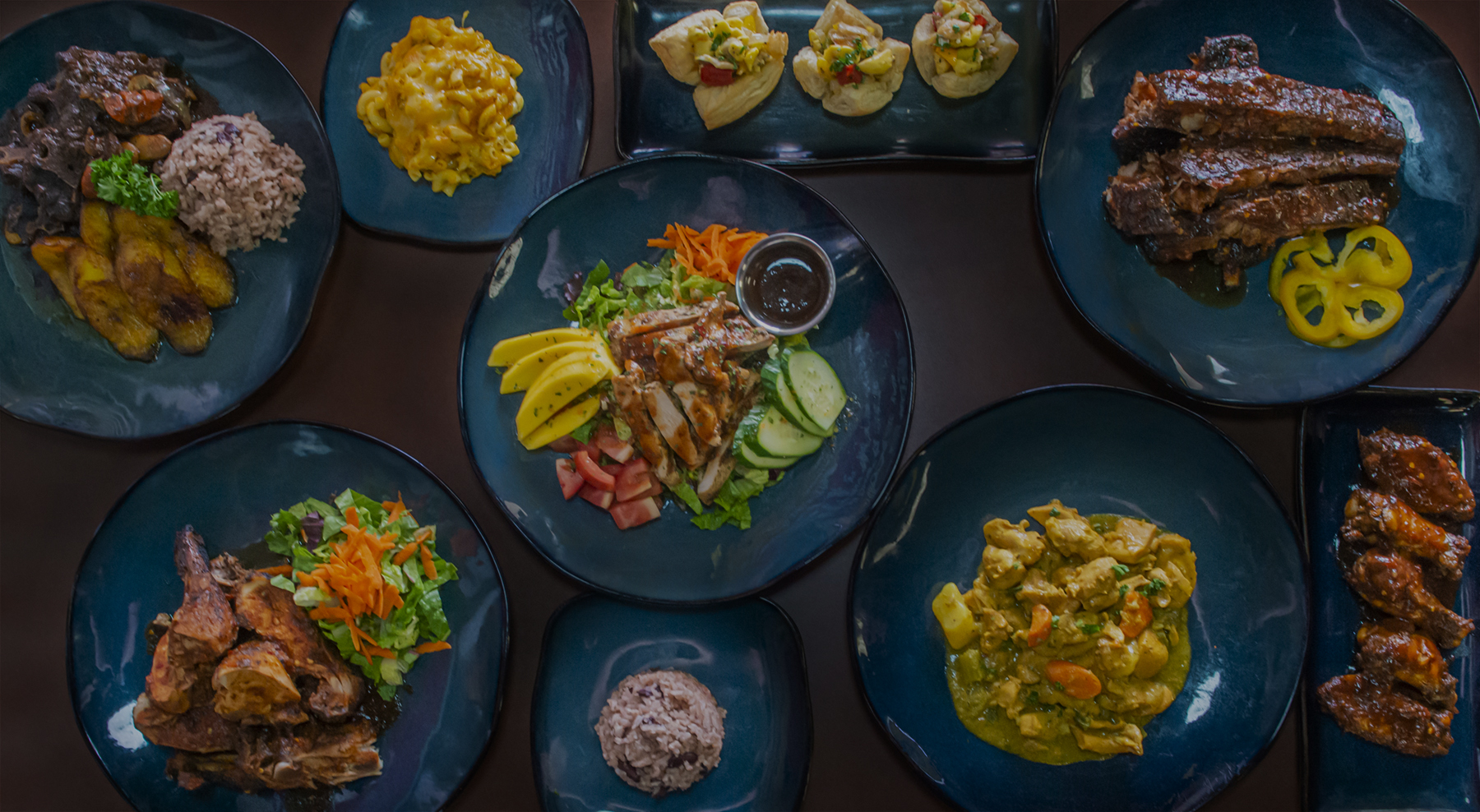
There are cuisines you admire, cuisines you crave, and then there are cuisines that seem to steady you from the inside out. Jamaican food belongs firmly in that last category. It is deeply flavorful, yes, but what makes it memorable goes beyond heat or seasoning. It is the way a pot of soup can feel restorative after a hard week, the way rice and peas can turn a simple plate into something complete, the way a slow-cooked stew carries time, patience, and care in every spoonful.
People often approach Jamaican food expecting only spice. That is part of the story, but it is not the whole thing. The real soul of the cuisine comes from balance. Scotch bonnet peppers bring fire, but there is also sweetness from coconut milk, earthiness from yam and coco, brightness from thyme, and richness from browned meat or simmered beans. The best dishes do not shout with one note. They unfold.
That complexity is why so many Jamaican dishes feel comforting rather than merely exciting. A well-made plate does more than satisfy hunger. It slows you down. It invites you to eat carefully, to notice texture, aroma, and heat building gradually instead of all at once. It also reflects a food culture shaped by ingenuity and memory, where humble ingredients are treated with respect and meals are built to nourish both body and spirit.
What gives Jamaican food its comforting power
Warmth in Jamaican cooking starts with technique as much as ingredients. Browning meat before stewing creates depth. Simmering coconut milk until it perfumes a whole pot changes the personality of rice and beans. Fresh thyme, scallion, onion, garlic, ginger, allspice, and Scotch bonnet are not just seasonings scattered on top. They are structural. They form the backbone of many dishes, and when used properly, they create a kind of roundness that stays on the palate.
Texture also matters more than many people realize. Jamaican meals often balance soft and firm, rich and light, broth and starch. Think of a bowl of red pea soup with tender beef, creamy peas, and dumplings that have soaked up the broth without falling apart. Or a plate of oxtail where the meat has surrendered completely, paired with rice and peas that still hold their shape. Comfort is often about contrast, and Jamaican cooks understand that instinctively.
Then there is aroma, which might be the most underrated part of the experience. A kitchen where pimento, thyme, and simmering stock are working together has a way of pulling people in. Even before food reaches the table, it announces itself. That sensory anticipation is part of why these dishes stay with people.
Ackee and saltfish, the national dish with remarkable depth
Ackee and saltfish is often described to newcomers in simple terms, but it deserves a more careful explanation. At its best, it is far more nuanced than the name suggests. Salt cod is soaked, flaked, and sautéed with onions, scallions, tomatoes, thyme, and peppers. Ackee, when properly prepared, is delicate and buttery, with a soft curd-like texture that absorbs flavor without disappearing into it.
The first surprise for many diners is how restrained the dish can be. Good ackee and saltfish is not aggressive. It is savory, aromatic, and almost luxurious when the balance is right. Too much saltfish and it becomes harsh. Too much tomato and it turns wet and muddled. Too much stirring and the ackee breaks down. The cook’s judgment shows clearly here.
Served with fried dumplings, boiled green bananas, roasted breadfruit, or bammy, this dish becomes one of the most satisfying breakfasts in the Caribbean. It fills you up without making you feel heavy if it is prepared with a steady hand. That matters, because hearty food is not always comforting. Sometimes the dishes that warm the soul are the ones that feel complete rather than excessive.
Oxtail, where patience becomes flavor
If one dish has become shorthand for indulgent Jamaican comfort food, it is oxtail. Done correctly, it is magnificent. Done carelessly, it is greasy and one-dimensional. The difference lies in patience and restraint.
Oxtail needs time. The meat must be seasoned well, browned deeply, and cooked until the connective tissue melts into the sauce. That transformation cannot be rushed without sacrificing character. The resulting gravy should be glossy and rich, but not heavy with fat. Butter beans are often added near the end, and they serve a real purpose beyond tradition. They soften the intensity of the sauce and add a creamy contrast to the concentrated meatiness.
Rice and peas is the classic partner, and for good reason. The coconut, thyme, and beans in the rice absorb that dark gravy beautifully. A plate of oxtail without rice and peas can still be delicious, but it loses some of the harmony that makes it memorable. This is one of those pairings where the side dish is not secondary. It completes the argument.
In many restaurants, oxtail is the first Jamaican dish recommended to people who want something familiar enough to understand but distinctive enough to remember. That makes sense, though the best versions are usually still found where the pot has been watched carefully, not where it has been engineered for speed.
Curry goat, fragrant rather than blunt
Curry goat is another cornerstone of Jamaican food, and it illustrates a point that often gets lost in casual discussions of Caribbean cooking. Jamaican curry is not interchangeable with other curry traditions. It has its own rhythm, its own seasoning logic, and its own expectations around texture and finish.
The goat is usually marinated with curry powder, garlic, ginger, scallion, thyme, and Scotch bonnet, then cooked slowly until tender. A good curry goat should be deeply seasoned all the way through, not just coated on the outside. The sauce should be rich and clinging, with spice that builds rather than strikes. Goat has a distinct flavor, slightly sweet and earthy, and it stands up beautifully to curry when given enough time.
This is a dish people associate with gatherings for a reason. It stretches well, it improves as the flavors settle, and it rewards communal eating. At weddings, holidays, or Sunday dinners, curry goat has a way of making a meal feel important. It is celebratory food, but also grounding food. That combination is rare.
There is also a practical truth worth noting. Goat can become tough or woolly if mishandled. Restaurants that serve mediocre curry goat often under-season it, over-thicken the gravy, or cook it until the meat is dry but still stubborn. The best versions avoid all three mistakes. They let the meat stay itself while becoming tender.
Rice and peas, the quiet backbone of the table
People unfamiliar with Jamaican food sometimes treat rice and peas as a side dish that could easily be swapped out. That misunderstands its place entirely. Rice and peas is a central expression of Jamaican home cooking. It anchors the plate, moderates spice, and carries flavor into every bite.
Traditionally made with kidney beans or gungo peas, coconut milk, thyme, scallion, and often allspice, it is fragrant in a way plain rice can never be. The grains should remain distinct. Mushiness ruins the experience. So does under-seasoning. Good rice and peas tastes complete on its own, which is why many people judge a cook’s skill partly by this pot.
There is a quiet comfort in the dish that is hard to overstate. It is not flashy, but it gives structure to a meal. It catches gravy, rounds out proteins, and offers familiarity even when the main dish is intense. In many households, the smell of rice and peas on a Sunday says as much about family rhythm as any grand celebration ever could.
Red pea soup, the bowl that restores you
If the brief is pure soul-warming food, red pea soup belongs near the top of the list. This is not a thin starter meant to whet the appetite. It is a substantial, meal-worthy soup built with kidney beans, root vegetables, dumplings, herbs, and often salted beef, pig’s tail, or fresh beef.
The broth becomes thick from the peas and starches, but the best versions still feel lively rather than stodgy. Coconut milk may appear, depending on the cook and the region, adding softness and fragrance. Dumplings, whether spinners or larger pieces, are not filler in the dismissive sense. They absorb flavor and make the soup feel generous.
This is the kind of dish people turn to when they are tired, run down, or simply need something reassuring. It has restorative credibility because it is built from ingredients that satisfy on multiple levels. Protein, starch, broth, spice, and aroma all work together. A bowl can carry you through bad weather, a stressful day, or the kind of homesickness that ordinary meals cannot touch.
I have seen many people underestimate Jamaican soups because they hear the word soup and imagine something light. Then the bowl arrives, deeply scented and full of substance, and the whole expectation changes. That moment tells you a lot about Jamaican cooking. It does not separate comfort from nourishment.
Mannish water and the old wisdom of the pot
Mannish water has a reputation that travels ahead of it, often with joking claims about stamina or virility, but underneath the folklore is a serious, carefully built soup. Traditionally made with goat parts, ground provisions, herbs, and seasoning, it is bold, peppery, and unmistakably savory.
It is also one of those dishes that reveals how older foodways use every part of an ingredient thoughtfully. That kind of cooking developed from necessity, but it persists because it creates flavor and depth that more selective modern habits often miss. The broth has a different power than a cleaner, milder stock. It tastes of time, bones, aromatics, and skill.
For some diners, mannish water is an acquired taste. That is fair. It is more assertive than red pea soup and asks more of the eater. But for those who grow up with it, or who come to appreciate it on its own terms, it is profoundly comforting. Soul food is not always gentle. Sometimes it is vigorous, peppery, and unapologetically old-school.
Jerk, the famous dish that is often misunderstood
Jerk is the global ambassador of Jamaican food, but it is also one of the most diluted and misunderstood. Too often outside Jamaica, jerk means a sweet sauce or a generic spicy marinade. Real jerk is more specific. It is a method, a seasoning tradition, and a relationship between meat, smoke, spice, and time.
The core flavors usually include allspice, Scotch bonnet, scallion, thyme, garlic, ginger, and sometimes cinnamon, nutmeg, or brown sugar in measured amounts. Pork and chicken are the usual choices, though other proteins appear. What matters is penetration of flavor and proper cooking, often over pimento wood when available. That smoke matters. It gives jerk its haunting depth.
Jerk can absolutely warm the soul, but perhaps not in the same way as soup or stew. It is more energizing, more vivid. Still, when eaten with festival, bammy, hard dough bread, or roasted sweet potato, it becomes part of a comforting whole. The heat is not there to punish. It should sharpen appetite and make the meat feel alive.
A useful distinction helps here. Not every beloved dish has to be soft or saucy to feel comforting. Sometimes the soul-warming quality comes from recognition, ritual, and the sensory memory of smoke, pepper, and spice. Jerk has that power in abundance.
Brown stew chicken, the everyday masterpiece
If I had to name one Jamaican dish that best captures the difference between restaurant spectacle and home-cooked comfort, brown stew chicken would be a strong contender. It is accessible, deeply flavorful, and capable of extraordinary satisfaction when made well.
The chicken is seasoned, often marinated, browned until the skin and aromatics develop color, then simmered with onion, pepper, tomato, thyme, and enough liquid to create a rich, savory gravy. The browning sauce gives depth and color, but there is a line between richness and bitterness. Skilled cooks know where that line is and stop just short of it.
Brown stew chicken is not trying to impress with rarity. Its appeal is more durable than that. It is the dish that tastes right after church, after work, after a flight, after a long week. It works with rice and peas, white rice, mashed provisions, or even bread in a pinch. It reheats beautifully. In many homes, it is one of the first dishes young cooks learn because it teaches essential judgment: how to season, how to brown, when to simmer, when to leave the pot alone.
There is a lot to admire in food that can be both ordinary and unforgettable.
Escovitch fish, where sharpness becomes comfort
At first glance, escovitch fish may not seem like a soul-warming dish in the same category as stew or soup. It is bright, vinegary, and often associated with beachside meals or festive occasions. Yet it absolutely belongs in the conversation because comfort is not always about softness. Sometimes it comes from clarity.
A whole fish, usually fried until the skin is crisp, is topped with a hot pickle of onions, carrots, Scotch bonnet, and vinegar. The contrast is the point. You get crunchy skin, tender flesh, pepper heat, and the clean lift of acid. That sharpness wakes up the appetite and cuts through richness elsewhere on the table.
When paired with bammy or festival, escovitch becomes especially satisfying. The starch softens the acidity just enough, and the fish remains the lively center of the plate. It is a reminder that Jamaican food is skilled at balance in many forms, not just heat against sweetness, but also richness against brightness.
Patties, cocoa bread, and the comfort of the quick bite
Not every soul-warming Jamaican dish comes from a long-simmering pot. Patties offer a different kind of comfort, the kind tied to convenience, memory, and portability. A good patty has a flaky golden crust with a filling that is moist, well-seasoned, and distinct, whether beef, chicken, vegetable, or ackee.
The real joy often comes when the patty is slipped into cocoa bread. It is a simple combination, but a smart one. The soft bread tempers the spice and catches any escaping filling, turning a snack into something more sustaining. It is easy to understand why this pairing inspires loyalty. It is affordable, satisfying, and emotionally immediate.
Quick foods often get dismissed as less meaningful than ceremonial dishes. That is a mistake. Many people’s strongest food memories are tied to what they ate between destinations, after school, before work, or on the road. Jamaican patties carry that kind of everyday intimacy.
The role of ground provisions and starches
One reason Jamaican food feels so complete is that starches are treated with character, not as blank support. Green banana, yam, coco, cassava, dumplings, breadfruit, bammy, and festival each bring their own texture and flavor. These are not interchangeable placeholders.
Boiled green banana has a firm, clean quality that works beautifully with saltfish or mackerel. Yam offers heft and earthiness. Fried dumplings bring warmth and chew. Roasted breadfruit can be smoky, soft, and almost creamy inside. Bammy, made from cassava, has a subtle sourness and a texture that shifts depending on whether it is steamed, fried, or both.
This matters because comfort often depends on how a meal holds together physically. Sauce needs something to cling to. Salt needs something plain enough to balance it. Pepper needs something starchy enough to cushion it. Jamaican cooks have refined these relationships over generations, which is why even a simple plate can feel so thoughtfully composed.
What to look for when seeking great Jamaican food
Not every plate labeled Jamaican food delivers the depth people expect, especially outside Jamaica. A few signs usually separate the real thing from a diluted version.
First, aroma should hit before sweetness. If everything smells mainly sugary, especially jerk, something is off. Second, gravies should taste layered, not just salty or thick. Third, starches should have integrity. Rice and peas should be distinct, dumplings should not be gummy, and fried items should not feel tired or greasy. Finally, heat should feel integrated. Scotch bonnet is powerful, but in skilled hands it supports rather than overwhelms.
A restaurant does not need an enormous menu to be good. In fact, places with a tighter rotation often do better because the food gets proper attention. A shorter steam table with excellent curry goat and serious rice and peas will usually beat a sprawling menu that tries to cover every dish without care.
Why these dishes stay with people
Jamaican food warms the soul because it understands something fundamental about feeding people. Flavor matters, of course, but so do memory, generosity, and patience. Many of the dishes that endure are not built for speed. They ask for soaking, marinating, browning, simmering, tasting, adjusting. They come from cooks who know that nourishment is cumulative. It comes from small decisions made well.
That is why the cuisine travels so powerfully. Even far from Jamaica, a plate of brown stew chicken, a bowl of red pea soup, or a breakfast of ackee and https://rentry.co/nfhvpn4i saltfish can make people feel steadier, happier, and more at home. The dishes carry place, but they also carry method and care. You can taste both.
The best Jamaican food does not merely impress with heat or boldness. It comforts because it is balanced, generous, and deeply rooted. Whether it arrives as a rich oxtail plate, a fragrant curry goat, a humble patty in cocoa bread, or a steaming bowl of soup, it offers the same essential promise: you will leave warmer than you arrived.
Reggae Pot Jamaican Grill
7562 S University Blvd C, Centennial, CO 80122
(303) 997-5623
FAQ About jamaican food
What is the best Jamaican food to try in Centennial?
The best choice depends on your preferences. Reggae Pot Jamaican Grill offers jerk chicken, curry goat, oxtail, and escovitch snapper, along with sides such as rice and peas and fried plantains. Ask the restaurant about current availability and spice levels before ordering.
Is Jamaican food very spicy in Centennial?
Heat varies by dish and preparation. Jerk dishes can be hot, while some stews and sides are milder. Tell the restaurant your preferred heat level and ask which options suit you.
What is typically on a Jamaican menu?
Common choices include jerk chicken, curries, oxtail, fish, patties, rice and peas, and plantains. Reggae Pot also lists ackee and saltfish and vegetable dishes. Menus and availability can change, so confirm your choices when ordering.