The Best Ways to Serve Jamaican Food at Home

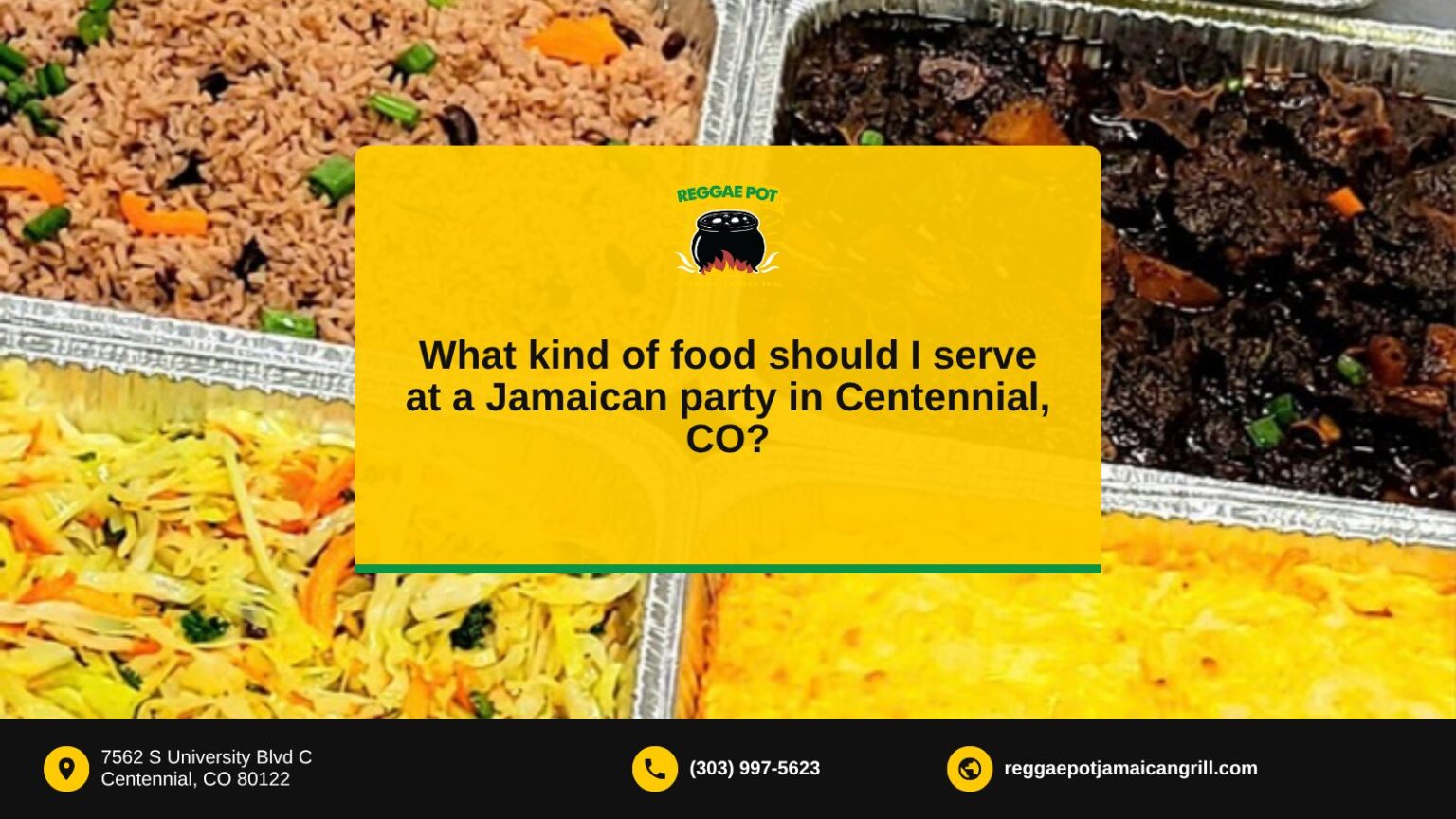
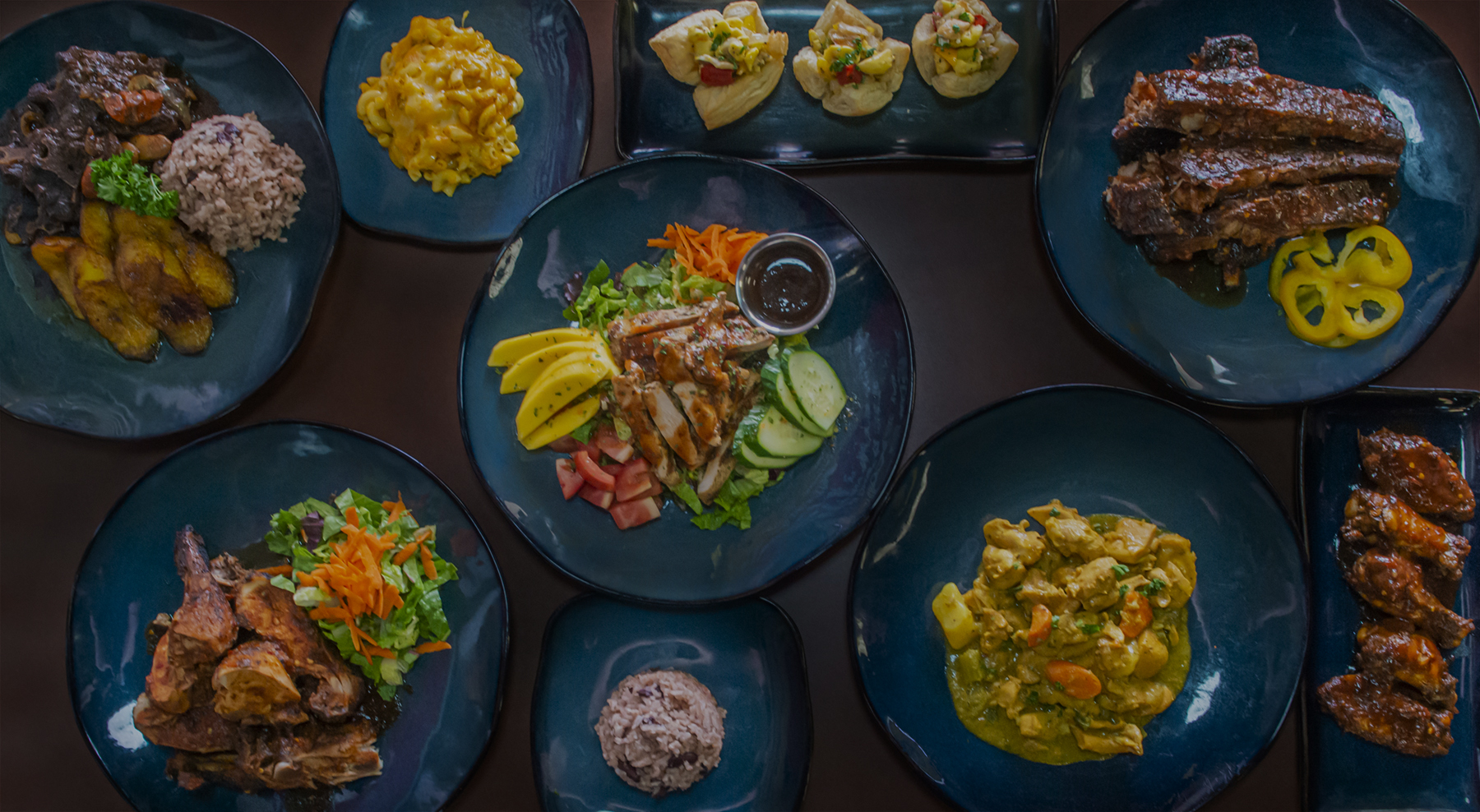
Serving Jamaican food at home is not just about getting dinner on the table. It is about timing, aroma, contrast, and the way each dish supports the next. When it is done well, the meal feels generous without being chaotic. A good Jamaican spread has warmth and color, but it also has structure. The rich dishes need something bright beside them. The spicy dishes need cooling balance. The starchy elements should soak up sauce, not weigh down the plate.
That is where many home cooks go wrong. They put a great curry goat or jerk chicken on the table, then serve it in a way that flattens the experience. Too many heavy sides. Not enough acidity. Food left sitting too long so the fried pieces lose their edge. Or everything comes out at once, but half of it is lukewarm.
The best way to serve Jamaican food at home is to think like a host, not just a cook. Build the meal around a few anchors, give each dish room to shine, and pay attention to temperature and sequence. Jamaican cooking has bold flavors, but serving it properly is often about restraint and judgment.
Start with the logic of the meal
A strong Jamaican meal usually revolves around one main dish with a supporting cast. At home, that often means jerk chicken, brown stew chicken, curry goat, oxtail, escovitch fish, ackee and saltfish, or a pot of stew peas. Each one brings its own needs to the table.
Jerk chicken, for example, has smoke, spice, and char. It wants sides that cool and absorb, like rice and peas or festival. Escovitch fish has sharp vinegar and pepper notes, so it needs less acid elsewhere and benefits from simple starches. Oxtail is deeply savory and gelatin-rich, which means you should avoid pairing it with too many other heavy braises. Ackee and saltfish is lighter than people expect if you serve it properly, but it can turn greasy if it sits too long under a lid.
The smartest approach is to choose one dominant centerpiece and support it with two or three companions that vary in texture and intensity. If every dish competes for attention, the meal becomes muddy. If each dish plays a role, the whole table feels deliberate.
When I serve Jamaican food for guests, I usually ask one question first: is this a sit-down dinner, a casual gathering, or a buffet-style meal where people graze? The answer changes everything. Sit-down dinners can handle saucier mains and more careful plating. Casual gatherings work best with dishes that hold their quality over time, like jerk chicken, patties, plantain, slaw, and rice. Buffets need dishes that stay stable for at least 30 to 45 minutes without collapsing in texture.
That small bit of planning matters more than most recipes.
Match the serving style to the dish
Not every Jamaican dish belongs on a composed plate. Some are better passed family-style. Some are best served from the stove in waves. The more practical your serving method, the better the food will taste by the time people eat it.
Braised dishes such as oxtail, curry goat, and brown stew chicken are excellent for family-style service. Their flavor often improves after a short rest, and they stay warm reasonably well if kept covered. Set the pot or serving dish on the table with rice and peas in a separate bowl, then let guests build their own plates. This feels generous and relaxed, and it prevents over-saucing in the kitchen.
Fried dishes need a different treatment. Fried plantain can wait a little while, but fried dumplings, bammy, and especially fried fish are best served close to the moment they leave the pan. If you try to hold them too long, the crust softens and the appeal drops fast. In a home setting, that means it is often better to fry in smaller batches and serve in rounds instead of trying to present everything at once.
Jerk meats sit somewhere in the middle. If you have grilled jerk chicken or pork, carve or chop it just before serving and keep some extra sauce or pan juices nearby. The meat should look glossy and abundant, not dry from resting too long. A common restaurant move, and a smart one at home, is to serve jerk in chopped pieces with a little sauce spooned over the top. That captures flavor without drowning the char.
Breakfast and brunch dishes deserve their own logic. Ackee and saltfish, callaloo, fried dumplings, plantain, and boiled green banana work well as a spread, but timing matters. Ackee is delicate and can break apart if overhandled. Fried dumplings are best within minutes. If you are hosting brunch, keep the saltfish mixture warm and finish the dumplings toward the end, not at the beginning.
Build contrast into the plate
The best Jamaican food plates are balanced in a very physical way. You should feel richness, heat, softness, crispness, and a little brightness in one meal. When that mix is off, even good cooking can feel tiring.
Rice and peas is the classic support for many reasons. It is aromatic, soft, and structured enough to carry gravy. It also calms heat. That makes it ideal under jerk chicken, curry goat, or stew chicken. Plain white rice can work too, especially with strong, saucy dishes, but rice and peas contributes more personality.
Plantain offers sweetness and softness. It is especially useful beside spicy or salty mains, because it rounds off the edges of the meal. What it does not do well is replace every other side. A plate with fried plantain, festival, and sweet slaw beside a sweet glaze can tip too far in one direction.
Then there is acidity. This is one of the most overlooked parts of serving Jamaican food at home. A little pickle, escovitch vegetables, or slaw can wake up an entire plate. Rich meats especially need that lift. Without it, the meal can feel heavy by the third or fourth bite.
Texture is just as important. If the whole plate is soft, no amount of seasoning will save it. A crisp cucumber slaw, firm fried bammy, or even just freshly sliced tomato can add shape. Traditional combinations work because they solve these problems almost instinctively. The pairings were not invented for looks alone.
The sides that consistently work
If you want Jamaican food to feel complete at home, the side dishes need as much thought as the main. The strongest side dishes are not filler. They are functional. They absorb sauce, calm heat, add contrast, or carry flavor into the next bite.
Here are five that earn their place again and again:
- Rice and peas for braises, jerk meats, and most saucy mains. It is dependable, satisfying, and built to catch gravy.
- Fried ripe plantain when the meal needs sweetness and softness. It is especially good with spicy chicken, salty fish, or peppery stews.
- Festival or fried dumplings for casual meals and cookout-style service. They are best when served hot and fresh, not held too long.
- Cabbage or slaw when the plate needs freshness and crunch. A lightly dressed slaw can transform a heavy spread.
- Bammy with fish, especially escovitch or fried fish. Its chew and mild flavor make it a quiet but important partner.
You do not need all five, and you usually should not serve more than two or three sides with one main. More than that can make the table look generous but eat clumsily. The point is not abundance for its own sake. The point is balance.
Serve heat with judgment
Scotch bonnet pepper is one of the defining flavors in Jamaican food, but serving heat well requires discipline. Home cooks sometimes chase intensity and forget the rest of the table. The better move is to build flavor first, then let guests decide how far they want to take the spice.
This matters most when serving a mixed group. One pot of curry goat may be perfect for people who grew up with strong pepper, but overwhelming for guests who are less used to it. If the base dish is too hot, you cannot undo it. If it is deeply seasoned and moderately spicy, you can always offer extra pepper sauce, sliced fresh pepper, or a hot chutney on the side.
That approach also protects the meal from becoming one-note. Jamaican food is not only about fire. It is about thyme, scallion, allspice, ginger, garlic, pimento, onion, and the slow sweetness that comes from caramelized browning or simmered coconut. Too much heat can flatten those details.
When I host, I like the main dish to carry a warm, clear pepper presence without becoming aggressive. Then I place extra heat on the table in a small bowl or bottle. People who want it can go further. People who do not can still enjoy the dish as intended.
Pay attention to temperature and holding time
A lot of serving problems are really temperature problems. Food that should be crisp turns limp. Rice tightens up and dries out. Gravy skins over. Fish cools faster than expected. The fix is rarely complicated, but it does require planning.
Rice and peas can wait covered for a short period if it is properly cooked and fluffed before serving. Braises often benefit from 10 to 20 minutes of rest, as long as they stay warm. Fried items should be timed as close to service as possible. Jerk off the grill can rest briefly, but not so long that the exterior loses its appeal.
One practical trick is to warm serving dishes before use, especially for rice, stew, and curry. It sounds minor, but hot food placed into a cold ceramic bowl loses energy fast. Another is to separate crispy garnishes from steam until the last second. If you top fish with escovitch vegetables too early and cover it tightly, the crust softens. If you add the vegetables just before serving, you keep some contrast.
For larger groups, stagger the meal in sensible waves. Set out the rice, slaw, and plantain first. Bring the hot proteins last. That keeps attention where it belongs and preserves the texture of the main event.
Use garnishes that belong there
Jamaican food does not need unnecessary decoration. It needs garnishes that make the plate taste better. Fresh thyme sprigs can smell wonderful, but if they are woody and inedible on the plate, they are more nuisance than help. The same goes for random parsley scattered over dishes that do not need it.
The best garnishes in this style of cooking are practical. Sliced scallion adds freshness. A spoonful of escovitch vegetables adds acid and bite. A few extra jerk pan juices add sheen. Lime wedges can work with fish and grilled meats, though not every traditional Jamaican meal needs them.
Color matters, but not in a fussy way. A https://manuelyrvh655.terracolumn.com/posts/how-jamaican-food-brings-culture-and-flavor-together platter of brown stew chicken beside orange plantain, pale rice and peas, and bright cabbage already looks attractive. Let the food carry the visual weight. The more you chase restaurant-style prettiness, the easier it is to interfere with what makes the meal feel honest.
Drinks matter more than most people think
If you are serving Jamaican food at home, drinks should not be an afterthought. Rich, spicy, and salty foods create immediate demand for something that cools and refreshes.
Sorrel is one of the best choices when it is in season or already prepared. It brings tartness, spice, and enough body to hold its own against robust food. Ginger beer, especially a less sugary version with real bite, also works beautifully with jerk and fried dishes. For a simpler route, cold limeade or even plain sparkling water with lime can keep the meal feeling lively.
Alcohol, if you are serving it, should be chosen carefully. Heavier red wines can fight with pepper and allspice. Chilled beer is often the easier match, especially with jerk, curry, or fried fish. Rum drinks can work too, but if they are very sweet, they may tire the palate quickly alongside rich food.
The basic rule is simple: the stronger the plate, the cleaner the drink should feel.
Family-style usually beats formal plating
There are moments for carefully plated portions, especially if you are serving a dinner built around one refined main. But for most Jamaican food at home, family-style service wins. It looks abundant, it feels generous, and it lets guests control their portions of gravy, pepper, and sides.
This is especially useful when dishes vary widely in richness. Someone may want extra cabbage and only a little oxtail. Someone else may skip plantain and double their rice. Family-style serving respects those preferences without turning the kitchen into a custom-order station.
There is also a cultural logic to it. Jamaican food often shines in shared settings, where people can reach, compare, talk, and build plates the way they like them. A platter of chopped jerk chicken, a bowl of rice and peas, hot plantain, and a fresh slaw set in the middle of the table creates a much warmer experience than a row of tightly controlled restaurant-style plates.
That said, family-style only works if the dishes are arranged sensibly. Put serving spoons in everything. Keep wet dishes from crowding dry ones. Use bowls large enough to avoid constant refilling. And if a dish is especially bony or messy, like chopped fish or jerk pieces with bones, give guests room to manage it comfortably.
Hosting without exhausting yourself
One reason people hesitate to serve Jamaican food at home is that many favorite dishes are labor-intensive. That is true. Oxtail takes time. Curry goat takes patience. Fried items demand attention. But serving well does not mean making six difficult dishes at once.
A better strategy is to make one labor-heavy main and simplify the rest. Pair a deeply flavored stew with rice and peas, one vegetable side, and one sweet or fried element. That is enough for a satisfying, memorable meal. If you try to produce jerk chicken, curry goat, patties, festival, callaloo, and two desserts in one afternoon, something will suffer, usually your timing.
Advance prep is the host’s best friend here. Braised dishes often taste better the next day. Slaw can be made a few hours ahead if you keep the dressing light. Plantain should be cooked close to service, but it can be peeled and portioned earlier. Ackee and saltfish can be prepped in components so you only need final assembly.
For parties, I often think in terms of “last-minute pressure.” Any menu with more than one truly last-minute dish is risky in a home kitchen. Choose one. Let everything else be stable.
A practical setup that works
If you want a reliable model for serving Jamaican food at home, this one rarely fails:
- Choose one main dish that carries the meal, such as jerk chicken, brown stew chicken, curry goat, or escovitch fish.
- Add one starch that handles sauce well, usually rice and peas, plain rice, bammy, or festival.
- Include one side for sweetness or freshness, such as fried plantain or cabbage slaw.
- Put extra heat and acid on the table separately, not inside every dish.
- Serve hot items in the order they peak, with fried foods and grilled meats arriving last.
That formula is flexible enough for a weeknight dinner and strong enough for guests. It also keeps the cooking focused, which usually leads to better results than trying to make a huge assortment.
Make the meal feel lived-in, not staged
The most memorable Jamaican meals at home rarely feel overdesigned. They feel confident. The rice is fluffy, the gravy is glossy, the pepper is present, the sweet plantain is properly caramelized, and somebody reaches for a second helping before they finish the first. That is the standard worth chasing.
If you are serving a dish like oxtail, let it be generous and messy in the right way. If you are serving escovitch fish, preserve its crunch and sharpness instead of softening it under too much steam. If you are making jerk chicken, do not hide the char under excessive sauce. Respect the identity of the dish, and the meal will almost always land.
Good Jamaican food at home is less about theatrical presentation than about smart choices. Choose combinations that make sense. Respect timing. Balance richness with freshness. Let texture do its work. And serve with the kind of ease that invites people to settle in and eat well.
That is when the food tastes like it should. Not just seasoned, but truly served.
Reggae Pot Jamaican Grill
7562 S University Blvd C, Centennial, CO 80122
(303) 997-5623
FAQ About jamaican food
What is the best Jamaican food to try in Centennial?
The best choice depends on your preferences. Reggae Pot Jamaican Grill offers jerk chicken, curry goat, oxtail, and escovitch snapper, along with sides such as rice and peas and fried plantains. Ask the restaurant about current availability and spice levels before ordering.
Is Jamaican food very spicy in Centennial?
Heat varies by dish and preparation. Jerk dishes can be hot, while some stews and sides are milder. Tell the restaurant your preferred heat level and ask which options suit you.
What is typically on a Jamaican menu?
Common choices include jerk chicken, curries, oxtail, fish, patties, rice and peas, and plantains. Reggae Pot also lists ackee and saltfish and vegetable dishes. Menus and availability can change, so confirm your choices when ordering.